
Hey everyone! While the North American International Championships were being held in Columbus Ohio, there was a retro tournament happening across the sea in Japan that might have flown under everybody’s radar. I don’t want to write too much since many of the participants as well as the Tournament Organizer have already written articles on their deck selections, and I would highly encourage you to check them out yourself! That being said, I did want to at least briefly cover the event, since many people here in the States might not even be aware that the event was taking place, or that the articles existed at all.
These articles are written in Japanese and found on the Japanese website Note (which to me, appears to be like their version of Patreon). These articles are readable to anybody who has the ability to translate the text (such as through Chrome’s translation tool). Many of these decks are extremely creative, and are definitely strong enough to stand up to the metagame’s top decks.
The tournament, called the Double Rainbow Cup is an event in Japan that has now had 2 iterations – one last year, in summer of 2022, which was capped at 16 entrants, and one this year, which hit 43 entrants – the size of some League Cups! 43 entrants is enough for 6 rounds of swiss, which is quite impressive for a format that is over 15 years old. The tournament is organized by Mr. Ogawa, who also goes by the username “Little River” online. Here are links to 2 articles written by one of the participants named Kanten:
- This first article contains the decklists for all 43 of the participants at the tournament – the top 8 appear at the top of the article, while the rest of them have similar archetypes grouped together, so it’s easier to compare the lists
- This second article contains a metagame breakdown, some video footage of a few swiss matches, and compiles articles written by several of the participants in one place, making them easier to find
A quick note for all the readers – I myself do not speak Japanese, so in order to read the articles, I too must use Chrome’s translation tool as mentioned above. While looking at images of cards and then reading the decklist descriptions is easy enough, the translation tool is not the best at translating names, so if I have the names of any Japanese players incorrect, I apologize!
Most Popular Decks:
BombTar – 8
Dragonite ex Delta – 5
RaiEggs – 3
LBS – 2
Manectric ex – 2
BombCatty – 2
Destiny – 2
Other Electrode ex variants – 3
Stantler variants – 2
Scizor ex – 2
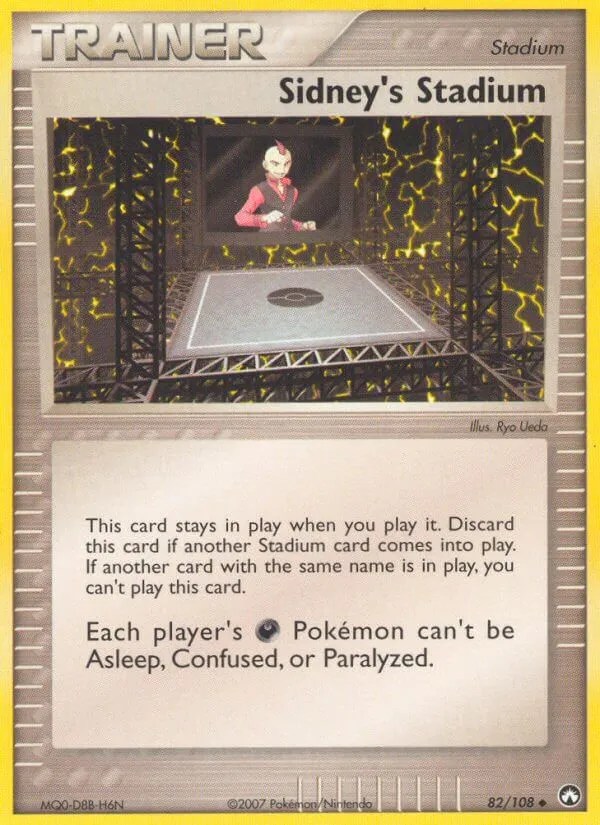
The above list accounts for only 31 of the 43 players, so as you can see, this was a VERY diverse field. In almost every article I read on the tournament, when players talked about why they chose their deck, the first thing almost EVERYBODY said was something like “I wanted to make sure that I was prepared for BombTar.” BombTar was at the front of everybody’s mind, and for good reason – many players seem to agree that it’s the strongest deck in the format, and it was far and away the most popular one at this tournament. As a result, many fighting-type pokemon found their way into decks either as attackers, or as centerpieces to build around. Some of them, like Dugtrio CG protected you from Spinning Tail’s bench damage. Some of them, like Exeggutor and Meganium were strong attackers that could threaten to hit for weakness. Cloyster had the best of both worlds – preventing bench damage AND threatening to KO with Grind.
Shockingly to me, the next most popular deck was Dragonite ex Delta! While Dragonite ex is arguably the strongest attacker in the format, it doesn’t see that much play here in our (very few) in-person tournaments in America, or in the online ones hosted by Jason.
In our events, Stantler decks centered around Rayquaza ex delta or Camerupt are far more popular – as well as “Pow” decks like Mew Lock, that focus on locking something in the active position and slowly winning – by racking up damage, or by deck out. When asked about it, the Tournament Organizer Mr. Ogawa indicated that some players didn’t think this style of deck could consistently win under the time constraints – the Swiss rounds were 40-minute best of 1 matches. I’m not sure what the tiebreakers for this specific tournament were (it was mentioned in one of the articles, but the translation was unclear) but I know here in America, during the ex era, if a match went to time, whichever player was leading on prize cards would be declared the winner. This almost ALWAYS hurts the slower decks, so it makes sense that this style of deck would be less popular for the event.
In addition to the time constraints though, MANY of the decks from what I could see were very prepared to fight against Stantler. The 3rd place Gardevoir list, for example, played ZERO RARE CANDY, a card that Stantler could easily remove from anyone’s hand with its Push Away attack. This deck instead relied on “manually” evolving all the way up to Gardevoir. The winning Meganium list also played a thicker evolution line, opting for 3 copies of the middle-stage Bayleef, and almost all of the Stage 2 decks that placed in the top 16 had similarly thick evolution lines. Many lists I’ve seen in our own online tournaments do the opposite – at times, cutting down to only 1 copy of their middle-stage evolutions, which I imagine gets punished by these more controlling archetypes.
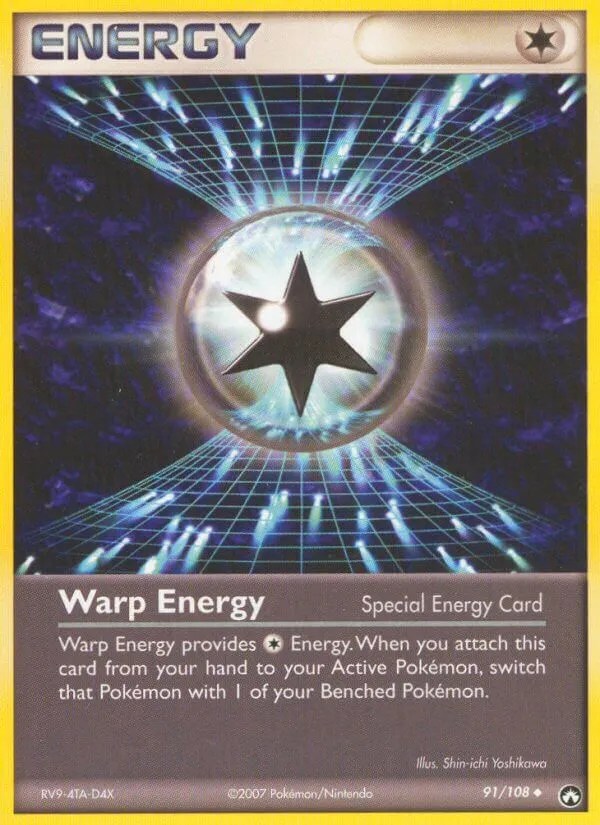
Other decks chose to play cards that protected themselves from Special Conditions – the top 16 Dragonite/Sceptile list, for example, added 1 copy of the ex Emerald Sceptile, which ensures that they didn’t have to worry about Stantler’s Screechy Voice attack. Many other lists chose similar cards that either prevented Special Conditions entirely, or allowed the player to switch out of them, like Warp Energy.
Tournament Results:
- 1st Place – Meganium/Pidgeot (4-2 Swiss record)
- 2nd Place – BombTar (4-2 Swiss record)
- 3rd Place – Imprison Gardevoir (5-1)
- 4th Place – Shedinja/Fossil Stall (5-1)
- Top 8 – BombTar (5-1)
- Top 8 – BombTar (5-1)
- Top 8 – BombCatty (5-1)
- Top 8 – Destiny (4-2)
- 9th – BombTar (4-2)
- 10th – DragTrode/Marowak (4-2)
- 11th – Dragonite ex Delta/Sceptile (4-2)
- 12th – Legend Toolbox (Latias ex version, 4-2)
- 13th – Legend Toolbox (Rayquaza ex version, 4-2)
- 14th – BombTar (4-2)
- 15th – Electrode/Arcanine (4-2)
- 16th – Dragonite ex Delta/LunaSol (3-3)
New Decklists from the event
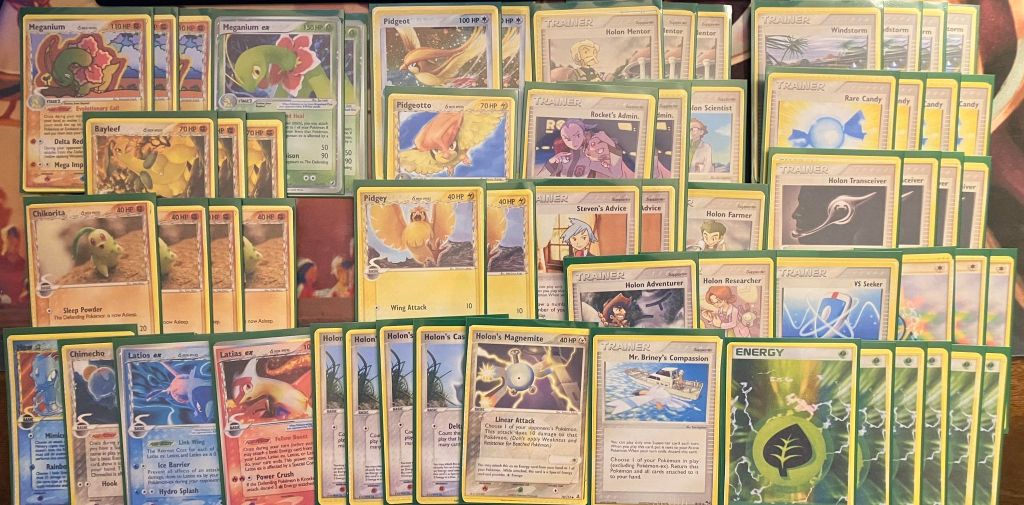
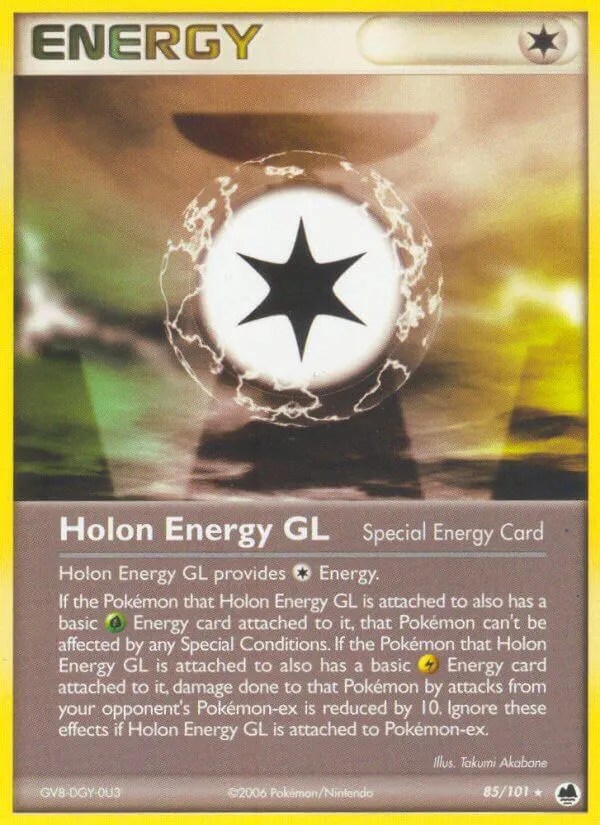
After 6 rounds of Swiss play, the tournament cut to a Top 8, with 90-minute best of 3 rounds. Meganium/Pidgeot emerged victorious, using the consistency engine of Quick Search and Evolutionary Call to consistently set up their board, while Delta Reduction combined with Nurture and Heal allowed them to consistently heal and tank attacks very well. The fighting-typing of Meganium also proved to be invaluable, as it threatens to hit weakness against Dark Tyranitar. Some BombTar lists (including the one that made it to the finals of this event) are dropping Holon Energy FF from their lists in order to run Heal Energy or Holon Energy GL, to protect themselves from special conditions, so a fighting-type like Meganium was a fantastic call.
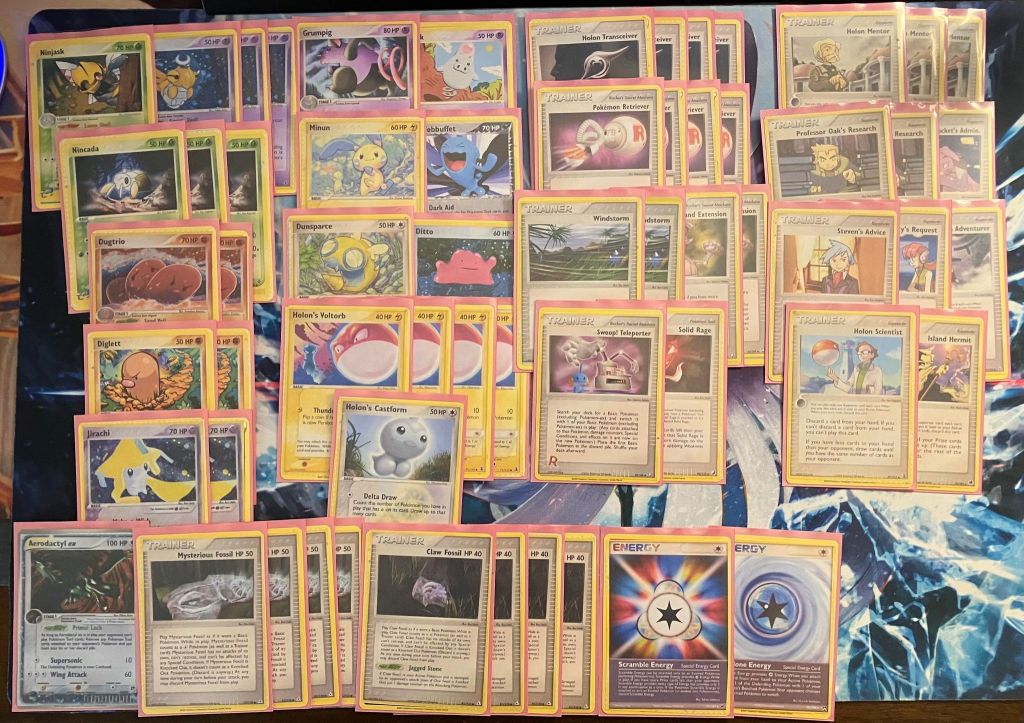
Another surprise deck that was really cool to see – Shedinja placing in the top 4! Unlike other Pow! Hand Extension decks, this one functioned more similar to PoliStall, where you hit the opponent and hide behind Fossils or Shedinja, to avoid giving up prize cards. Because you have the ability to actually deal a relevant amount of damage, you do have a bit of an easier time winning within the 40-minute timeframe.
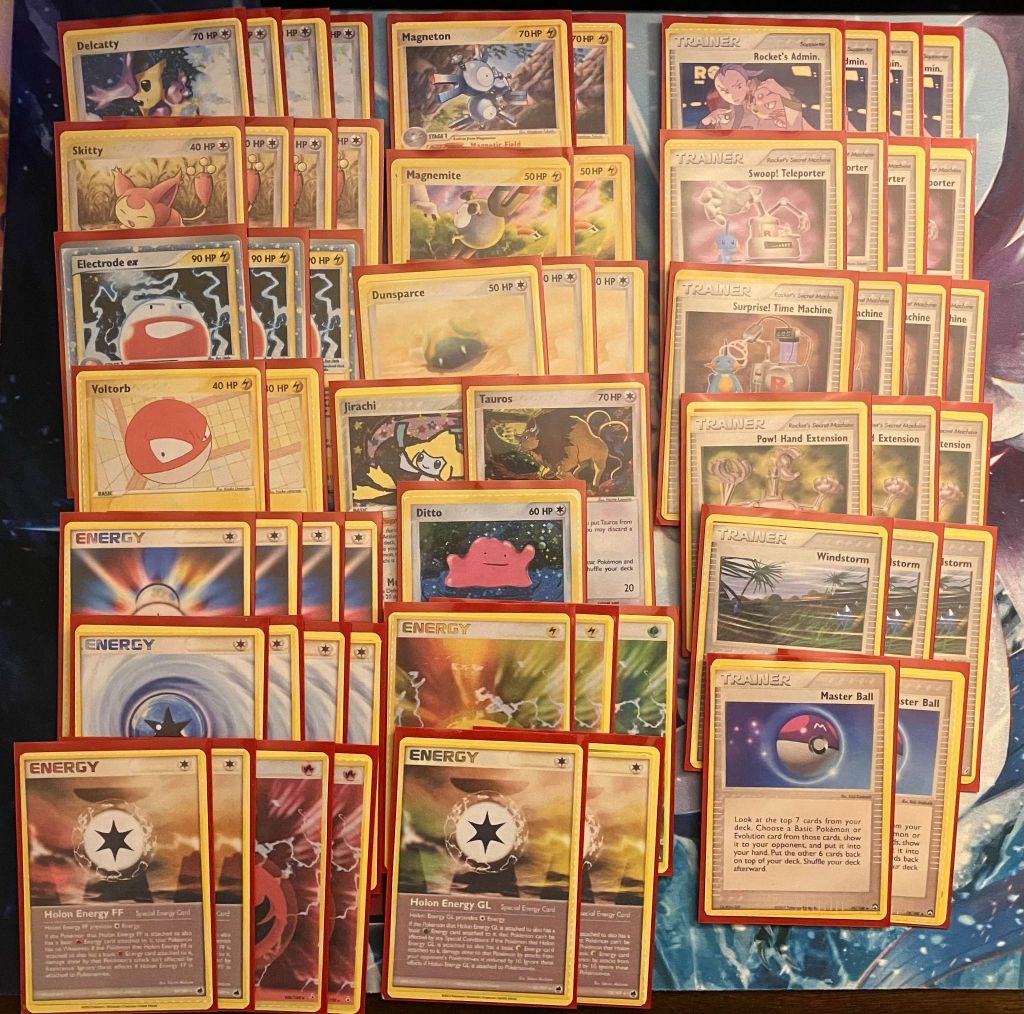
BombCatty appeared in Top 8 of this tournament as well – the player who selected it noted that in Electrode ex mirror matches, the player who sets up most consistently is probably going to be favored, which was one of the reasons they ended up choosing BombCatty instead of BombTar. Energy Draw gives you plenty of drawpower in the early game to find your Electrode ex, while Surprise! Time Machine allows you to re-use Energy Draw multiple times. The extra speed is probably really helpful against other slower Stage 2 decks as well, since you can potentially get so far ahead that they’ll have a tough time working their way back into the match.
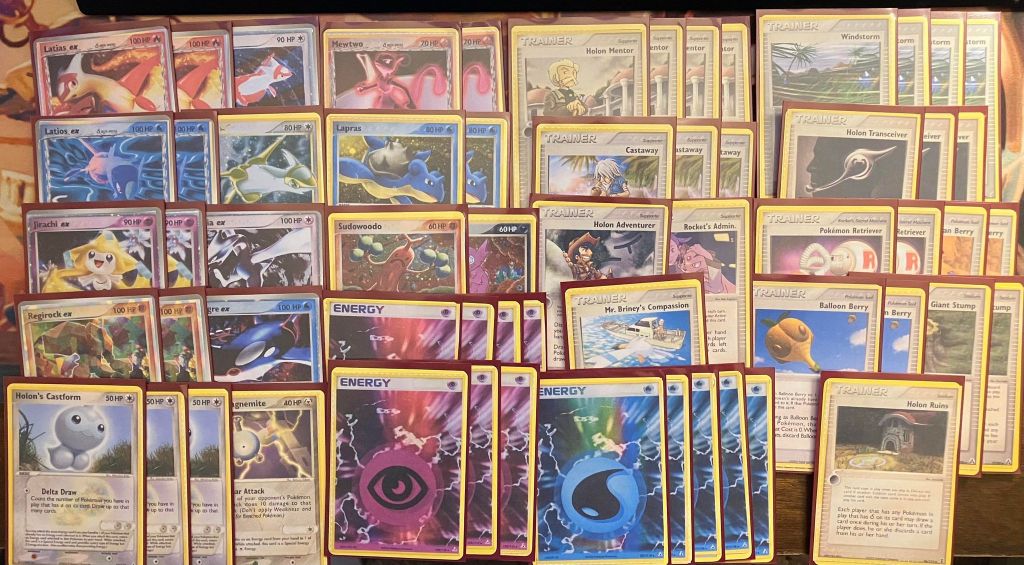
The “Legend Toolbox” archetype was something that was new for me after the 1st iteration of this tournament – one player, by the name of Chiro, decided to take the deck a different route, and placed Top 16, finishing on the bubble for Top 8. Rather than centering around Rayquaza ex, they chose to use the energy acceleration of Latias ex, allowing them to quickly power up a multitude of attackers. This deck’s got the ability to hit almost anything for weakness, and even decks that aren’t “weak” can still be KO’d just because of the raw power of Lugia ex and Latias Star.
In addition to the new decklists above, some of the decklists in the RS-PK section have been updated to better reflect this metagame. These decks include:
- Dragonite ex delta
- Destiny
- Legend Toolbox (Rayquaza version)
- DragTrode
- Imprison Gardevoir
What about Stantler decks?
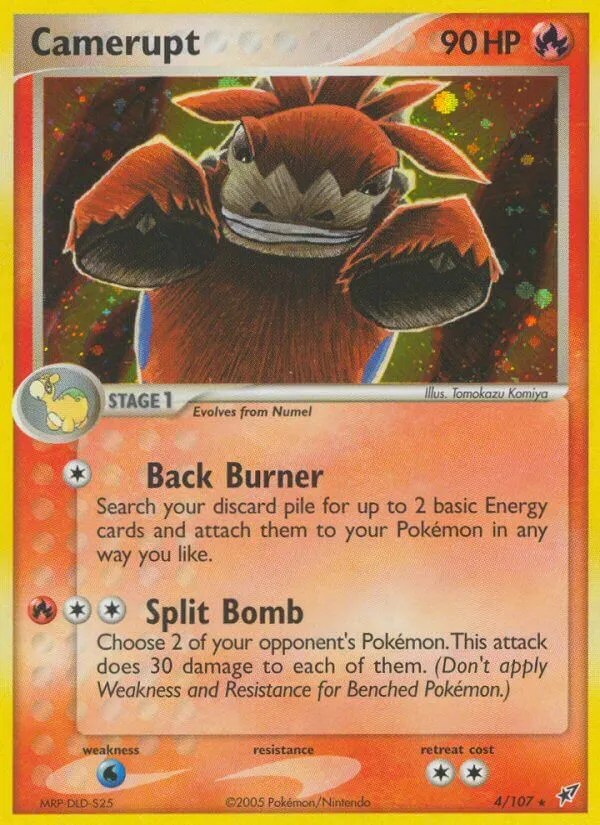
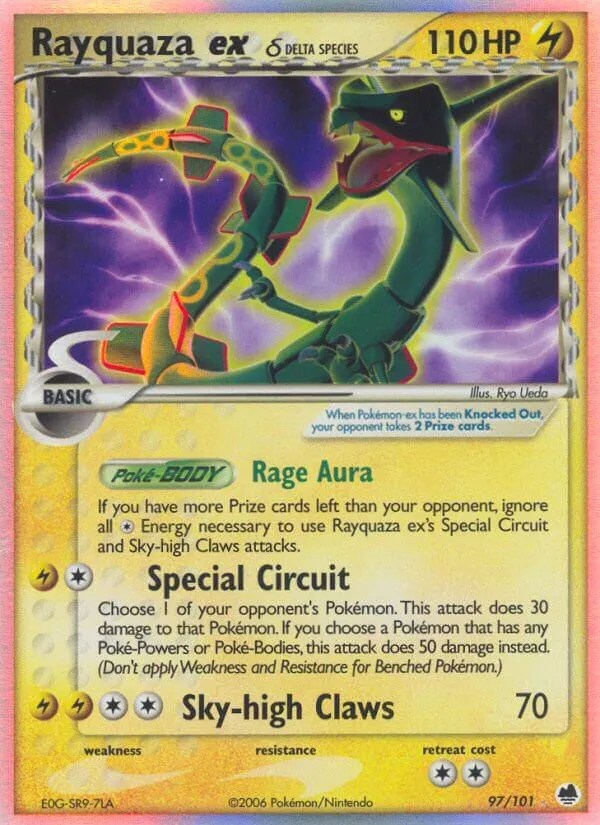
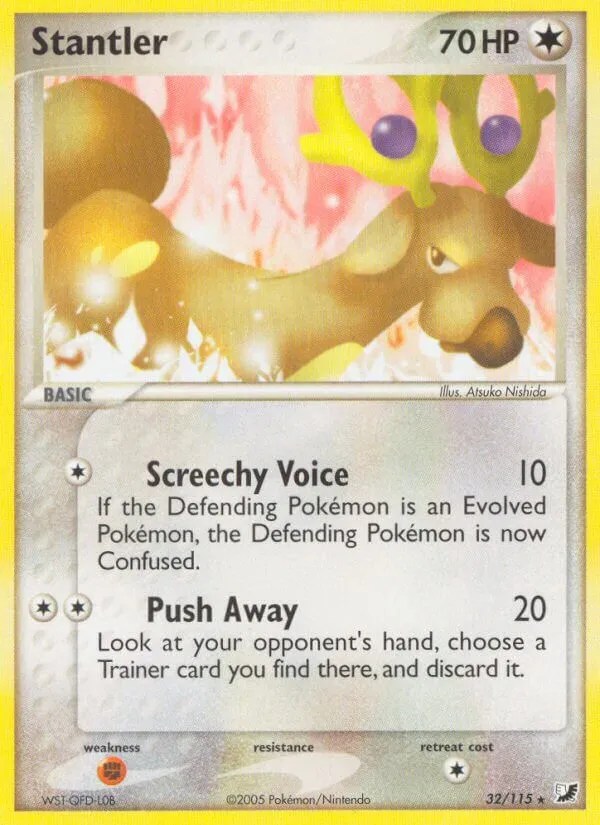
As you can see from the above results, RayLer and CamLer were completely absent from the top 16. Part of this was of course, due to how unpopular they were for the tournament – Stantler saw a decent amount of play as a tech card, but only 2 players used decks that were actually centered around Stantler & disruption. However, part of this is also probably due to the metagame – many of the top performing decks were clearly setting themselves up to be able to combat Stantler archetypes, and this may have scared people off from playing these decks. In this hostile of an environment, though, I’m not sure either deck would have performed well, even with more people piloting them. It will be interesting to see if players in our own events make similar adjustments to their decks, or if Stantler will continue to reign at the top.
Conclusion
Thanks so much for reading! I want to extend a huge thank you to Mr. Ogawa, for organizing this tournament, and to Kanten, for doing an amazing job of compiling the decklists and articles. Without them, we might never see any of these decks. If you haven’t already, I would HIGHLY suggest at least checking out Kanten’s articles above, and I would also encourage you to read what the other players had to say in their articles as well! They offer amazing insight directly into the metagame of a higher-stakes tournament, which is rare to come by, and I think we can learn a lot from what they have to say! Several decklists from the event have been added (or adjusted) in the RS-PK section, so feel free to give them a try if you are looking to play some RS-PK games!
Next year’s Double Rainbow Cup is going to be a good one – it appears that both Jason Klaczynski and Tord Reklev are going to be in attendance. The RS-PK metagame clearly is not finished developing, and it will be interesting to see what new spins the next rendition of the Double Rainbow Cup has in store!
 PTCG Retro Library